
15 min read
Ramen Without Pork in Japan: Broths, Ticket Machines and What to Ask
Shio and shoyu name the seasoning, not the broth: either can be made on pork bones. The words that mean pork, how to read a ticket machine, what to ask.
Read more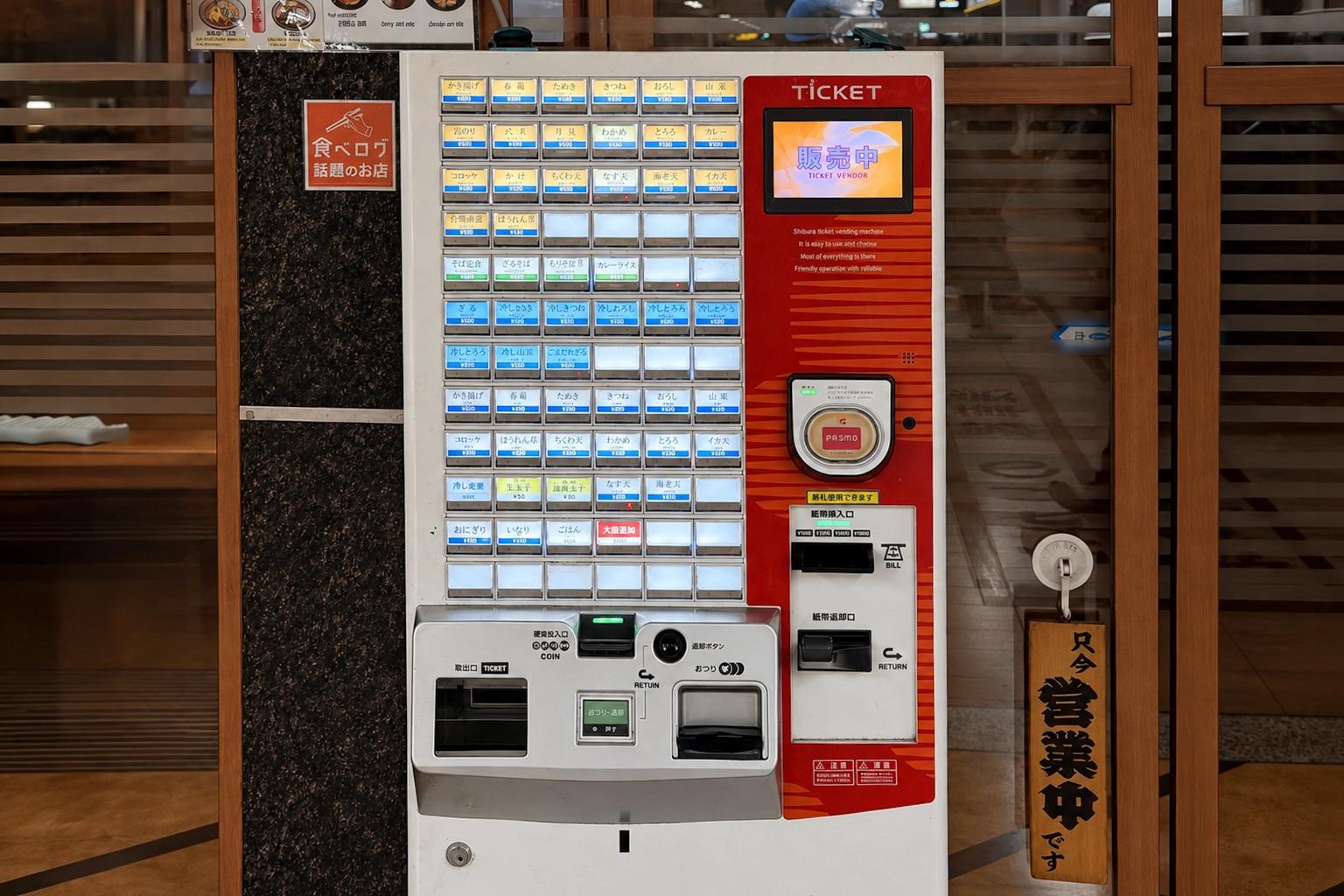
15 min read
Fish and Shellfish Allergies in Japan: What Labels Don't Have to Show
Japanese labels must declare only shrimp and crab. Squid, abalone, salmon, salmon roe and mackerel are recommended; bonito, tuna and clams are on no list.
Read more19 min read
Best Japanese Food Scanner Apps in 2026: 9 Apps Compared
MoguMogu and Foodfit Japan check a Japanese label against your diet for free; Okaasan checks labels and menus in one result. 9 apps compared, ChatGPT tested.
Read more16 min read
Food Allergies in Japan: A Travel Guide to Labels, Restaurants and Emergencies
Japanese labels must declare 9 allergens and are asked to show 20 more. Restaurants, food sold loose and alcohol don't have to. The lists, the label, 119.
Read more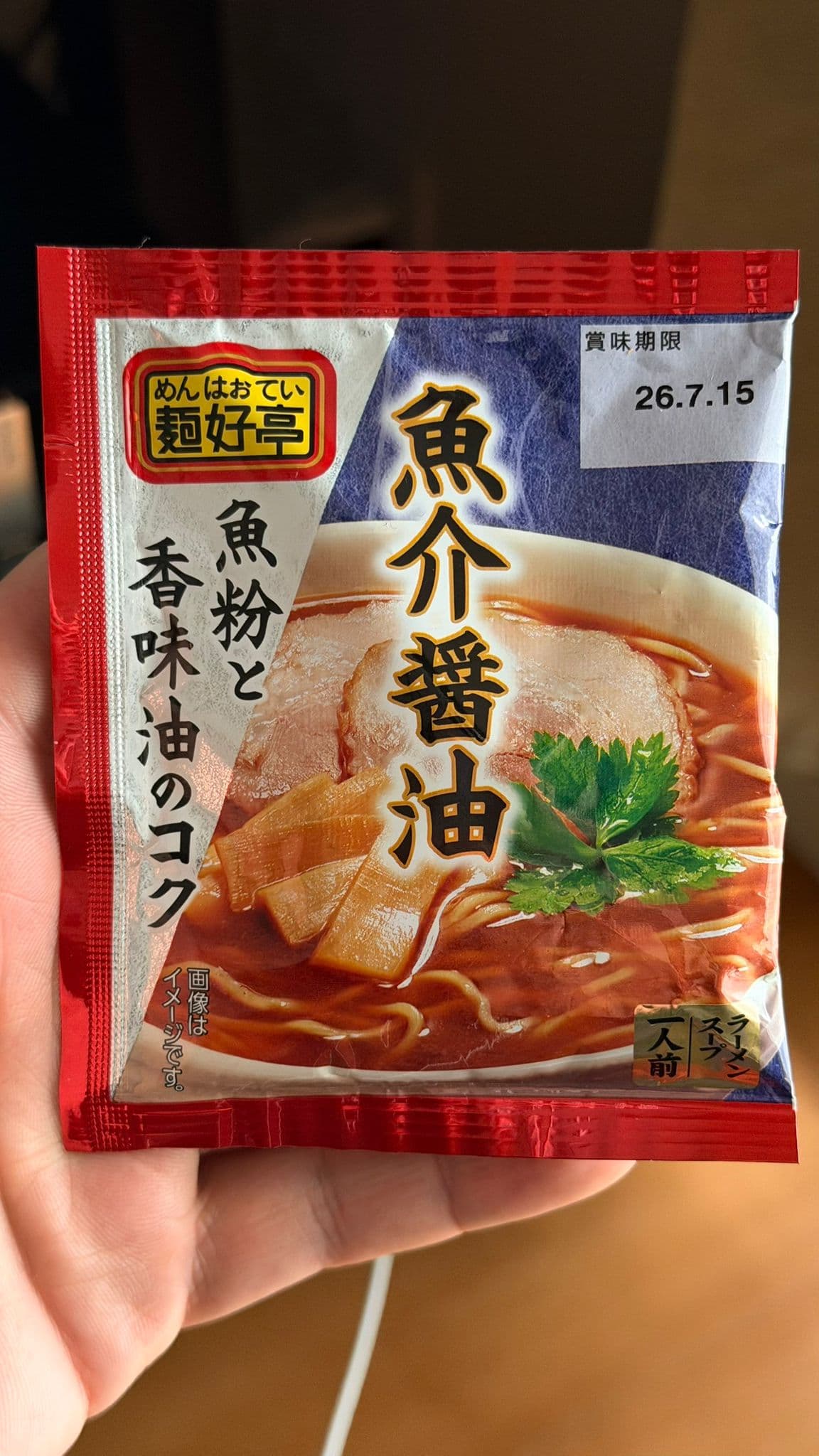
18 min read
How to Read Japanese Food Labels: Ingredients, Allergens, Nutrition and Dates
原材料名 lists ingredients by weight, additives after a /, allergens in brackets such as 一部に…を含む. 賞味期限 is best before, 消費期限 use by; dates run year.month.day.
Read more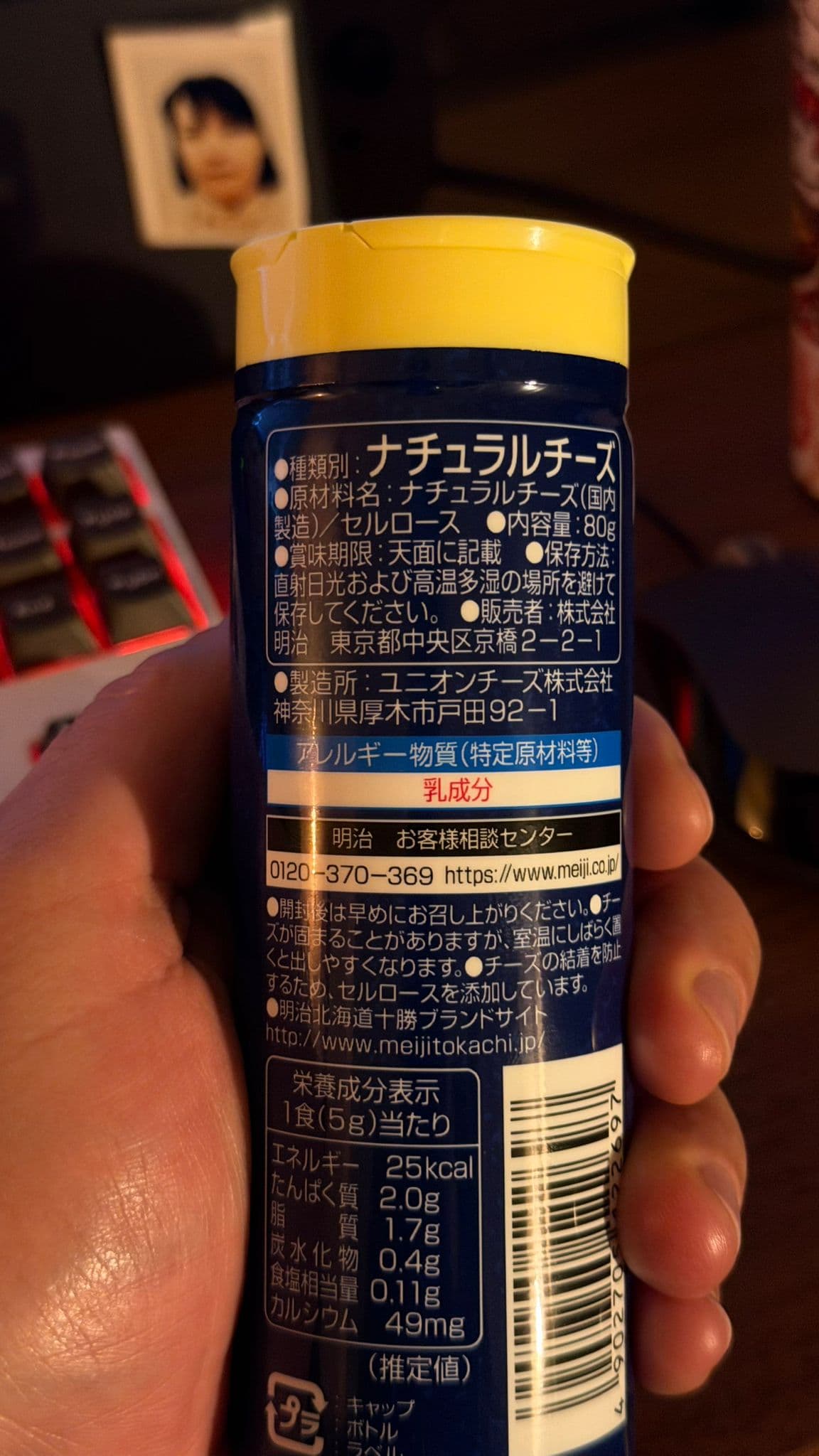
19 min read
What Do Japanese Food Additive Codes Mean?
Japanese labels name additives in Japanese, not by E-number: after a slash (/), with a use such as 甘味料 (sweetener) or a group name such as 乳化剤 (emulsifier).
Read more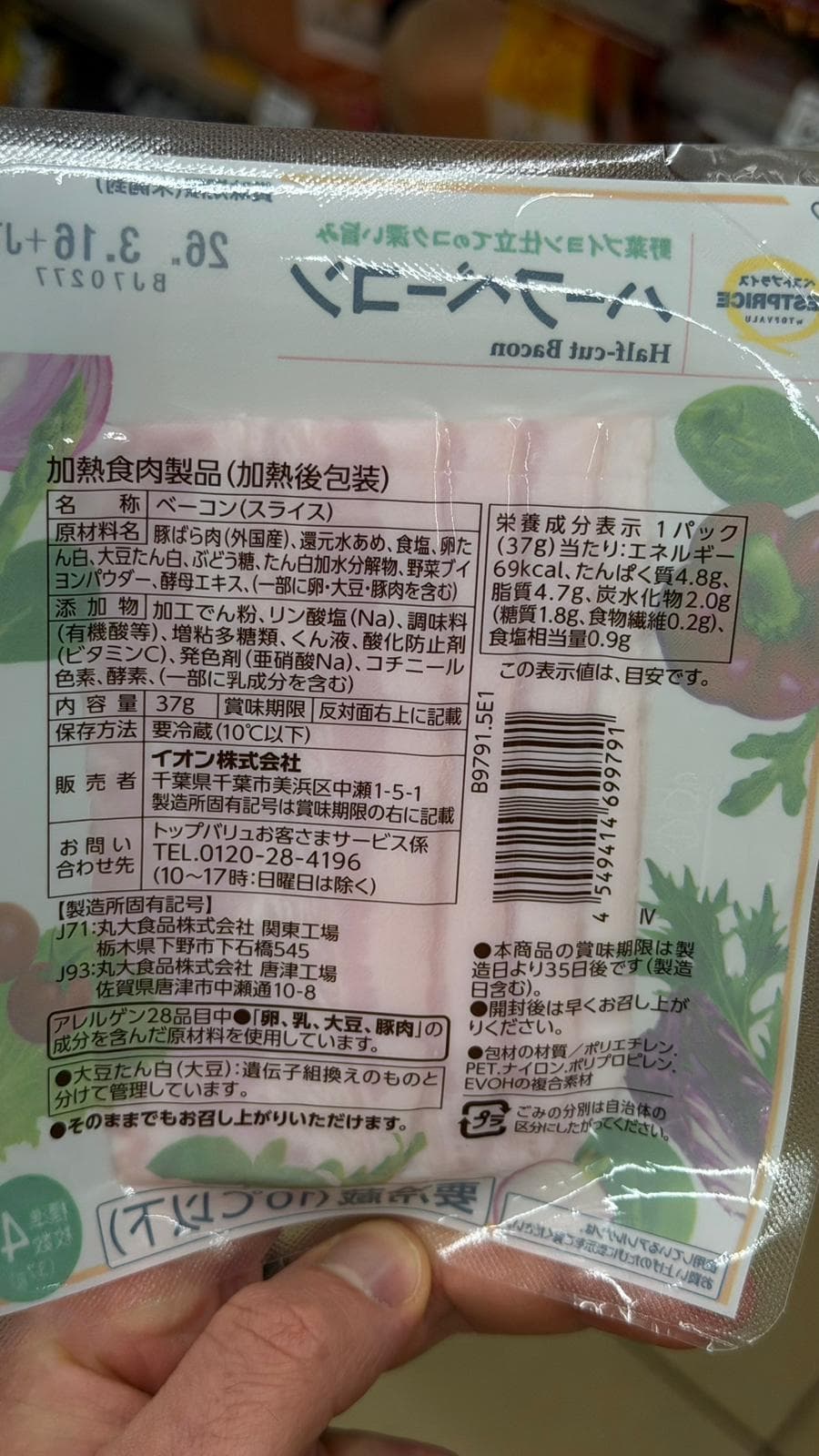
18 min read
Is Food in Japan Halal? Hidden Pork, Alcohol and Halal Marks
Food in Japan isn't halal by default: pork hides as 豚脂 or ポークエキス, alcohol as 酒精 or みりん. The words to read, and what a halal mark settles.
Read more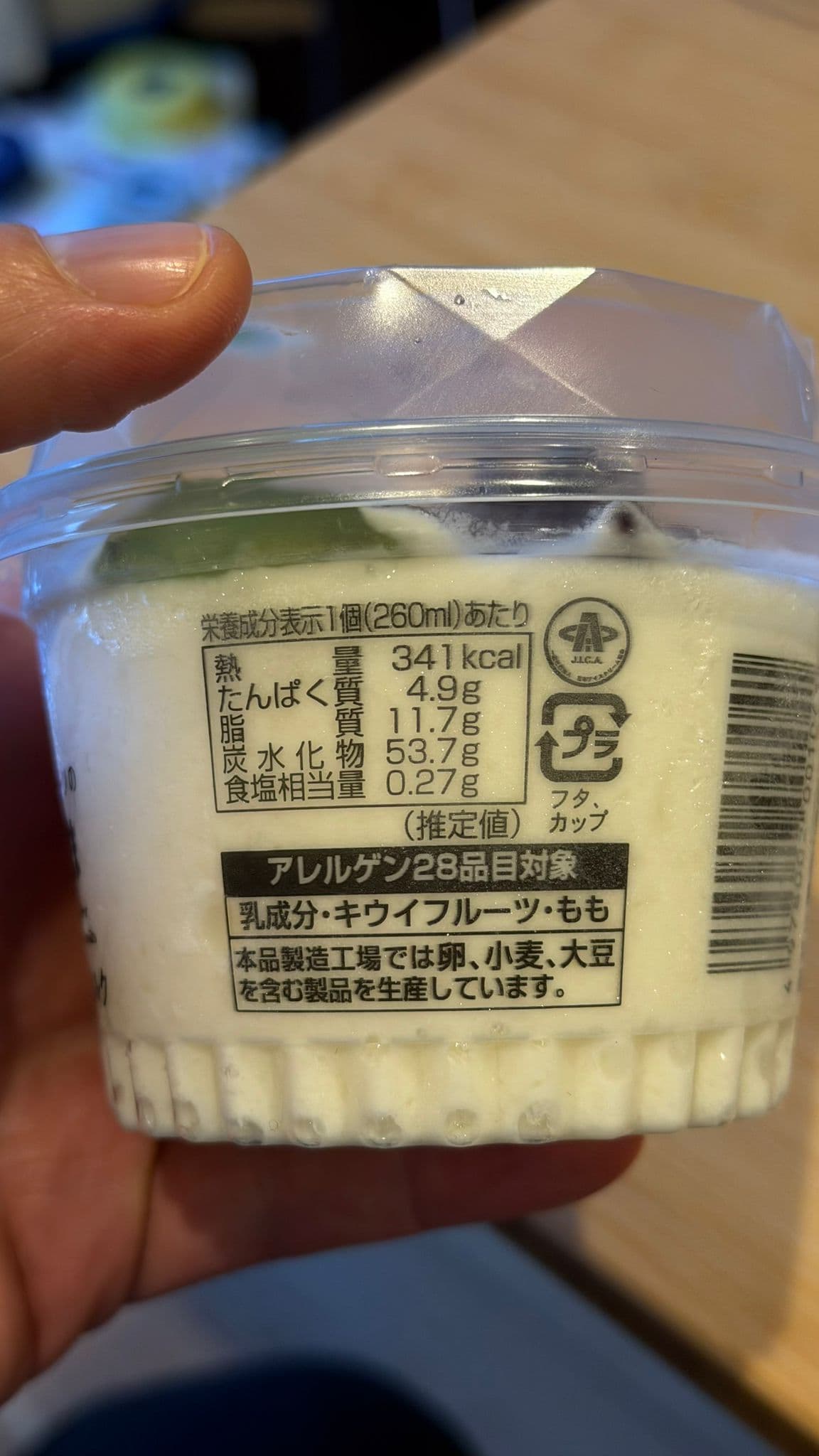
19 min read
Hidden Ingredients in Japanese Food: Pork, Gelatin, Alcohol and Fish on the Label
Pork, gelatin, alcohol and fish hide on Japanese labels in the closing allergen bracket, in compound ingredients and in words like 酒精, だし and 油脂.
Read more
17 min read
Are Japanese Convenience Store Meals Healthy? What the Labels Show
Konbini packs print salt as 食塩相当量. On 10 tested labels: 0.0 g (plain rice) to 4.0 g (a pasta), against Japan's 7.5 g (men), 6.5 g (women) and WHO's 5 g a day.
Read more