Japanese food labels must declare only two kinds of seafood: shrimp (えび, ebi) and crab (かに, kani). Squid, abalone, salmon roe, salmon and mackerel are only recommended, and every other fish or shellfish, such as bonito, tuna, sardine, scallop, oyster and clam, is on neither list (Consumer Affairs Agency, allergen labeling handbook, April 2026). For those, the allergen line proves nothing: only the ingredient list can show them.
Which fish and shellfish must a Japanese label declare?
Only shrimp and crab are required by law; five more seafoods are recommended, and a label may leave them out. The Food Labeling Standards (食品表示基準) require 9 allergens, called 特定原材料 (tokutei genzairyō), and a Consumer Affairs Agency notice recommends 20 more, called 特定原材料に準ずるもの (tokutei genzairyō ni junzuru mono) (CAA handbook, April 2026; Sakai City). Of these 29, seven are seafood:
| Japanese | Reading | Seafood | Status | What it covers |
|---|---|---|---|---|
| えび (海老, エビ) | ebi | Shrimp, prawn | Required | Lobster and crayfish too; not mantis shrimp (しゃこ), krill (おきあみ) or mysid shrimp (あみ) |
| かに (蟹, カニ) | kani | Crab | Required | All crabs, king crab (たらばがに) included |
| いか (イカ) | ika | Squid | Recommended | All squid, firefly squid (ほたるいか) included |
| あわび (アワビ) | awabi | Abalone | Recommended | Not its look-alike tokobushi (とこぶし) |
| いくら (イクラ) | ikura | Salmon roe | Recommended | Sujiko (すじこ), roe still in its sac, counts too |
| さけ (鮭, サケ, サーモン) | sake | Salmon | Recommended | Sea-run salmon and trout; not land-locked trout such as rainbow trout (にじます), iwana or yamame |
| さば (鯖, サバ) | saba | Mackerel | Recommended | Dried mackerel flakes, さば節 (sababushi), count as naming it |
What each word covers comes from the Consumer Affairs Agency's Q&A on allergen labeling (D-1 to D-16) and its handbook; for shrimp and crab, also from the Food Safety Commission's factsheet (March 2025).
The 9 required items are those that cause the most reactions or the most severe ones; the 20 recommended items have caused serious reactions again and again, but fewer (CAA Q&A, A-2). Cashew became the ninth required allergen on April 1, 2026, with packs allowed to catch up until March 31, 2028; the seafood items did not change (CAA notice of April 1, 2026; Sakai City). These rules are as of November 2026, and they cover packaged food only.
Which fish and shellfish are on no allergen list?
Every fish except salmon and mackerel, and every shellfish except shrimp, crab, squid and abalone, can be in a Japanese product without being named in its allergen line. They can still appear in the ingredient list (原材料名, genzairyōmei), under their own name, but the allergen bracket and the allergen box don't repeat them.
| Japanese | Reading | Meaning |
|---|---|---|
| かつお (鰹, カツオ) | katsuo | Bonito (skipjack), a common dashi base |
| まぐろ (鮪), ツナ | maguro, tsuna | Tuna |
| いわし (鰯), 煮干し, いりこ | iwashi, niboshi, iriko | Sardine and anchovy; dried for stock |
| たら (鱈), たらこ, 明太子 | tara, tarako, mentaiko | Cod and pollock; their roe |
| しらす, ちりめん | shirasu, chirimen | Whitebait (baby sardines) |
| うなぎ (鰻) | unagi | Eel |
| ほたて (帆立) | hotate | Scallop |
| かき (牡蠣), オイスターソース | kaki, oisutā sōsu | Oyster, oyster sauce |
| あさり, しじみ, はまぐり | asari, shijimi, hamaguri | Clams |
| たこ (蛸) | tako | Octopus |
| うに (雲丹) | uni | Sea urchin |
| しゃこ, おきあみ, あみ | shako, okiami, ami | Mantis shrimp, krill, mysid shrimp: crustaceans, but outside えび |
In the US, fish and crustacean shellfish are among the major food allergens a label must declare (FDA). The Consumer Affairs Agency's own comparison table shows fish required in the Codex standard, the US, the EU, Canada, Australia and New Zealand, while Japan only recommends salmon and mackerel (CAA handbook, page 7). Which of these foods matter for you is a question for your doctor.
What do real Japanese labels show?
On labels tested by Okaasan in November 2026, the fish and shellfish in the ingredient list were often missing from the allergen line, as the rules allow. Each row is copied from the label photo (how Okaasan tests).
| Product | Fish or shellfish in the ingredient list | What the allergen line names |
|---|---|---|
| Ramen soup sachet, seafood type, sold by Foodlier (フードリエ) | いわし煮干粉末 (dried sardine powder), さば節粉末 (mackerel flake powder), かつお節エキス (bonito extract), 魚醤 (fish sauce) | 小麦・さば・大豆・豚肉 (wheat, mackerel, soy, pork) |
| Tuna shiokara (塩辛, salted innards) | まぐろ内臓 (tuna innards), the first ingredient | 乳成分・大豆・りんご (milk, soy, apple) |
| Salad senbei rice crackers (サラダせん) | カツオエキスパウダー (bonito extract powder) | 大豆 (soy) |
| Ajinomoto Hondashi, 1 kg bag | かつお節粉末 (bonito powder), かつおエキス (bonito extract) | 乳成分 (milk), "of the 28 allergens" |
| Kakigen sliced takuan (pickled daikon) | かつお削り節 (bonito shavings), かつお節エキス (bonito extract) | 小麦 (wheat) |
| Takano natto, in its sauce | 宗田鰹節 (dried frigate tuna), 鰹節エキス (bonito extract), 煮干 (dried sardines) | 小麦・大豆 (wheat, soy), in a box that says it includes the recommended items |
| UHA Mikakuto Ninja Meshi ume-katsuo gummy | かつお節エキスパウダー, かつお節エキス (bonito extract) | 小麦・大豆・ゼラチン (wheat, soy, gelatin) |
| Lawson Caesar dressing | ほたてエキス (scallop extract) | 小麦・卵・乳成分・大豆・りんご (wheat, egg, milk, soy, apple) |
| Ajinomoto frozen Osaka-style mini gyoza | オイスターソース (oyster sauce) | 小麦・ごま・大豆・鶏肉・豚肉 (wheat, sesame, soy, chicken, pork) |
| Nissui cheese kamaboko | 魚肉 (fish meat), the first ingredient, species not given | かに・小麦・乳成分 (crab, wheat, milk) |
| Calbee shrimp snack | えび (shrimp) | 乳成分・小麦・えび・大豆 (milk, wheat, shrimp, soy) |
| Okonomi mame bean and cracker mix (お好み豆) | えび (shrimp), いか (squid) | No closing bracket: both are named as ingredients, which declares them |
Naming the allergen as the ingredient itself, as the okonomi mame does, is allowed: the bracket is needed only when the ingredient's name doesn't already show it (CAA handbook, page 13).

Contains seafood. いわし (sardine), さば (mackerel), かつお (bonito) and 魚醤 (fish sauce) are all in the list; the allergen line names only さば.
General AI assistants miss these words too. In Okaasan's November 2026 test on 115 real labels, ChatGPT (GPT-6.1) answered "no seafood" for the bonito rice crackers, Gemini (Auto) for the Caesar dressing with scallop extract, and Claude (Opus 5.5) for a beef tongue whose label warns of shrimp and crab on the same production line. After its safety net, Okaasan showed none of these three as seafood-free in 3 analyses each: a dated test result, not a guarantee (how Okaasan tests).
How do you read the allergen line on a Japanese label?
The allergen line is either a bracket at the end of the ingredient list, (一部に…を含む) (ichibu ni … o fukumu, "contains in part"), or a separate box, and both name only the 29 listed items. A box may also say whether it covers all 29 or only the 9 required ones (CAA handbook, page 18).
- Find the bracket at the end of 原材料名, or brackets after single ingredients, such as 醤油(小麦・大豆を含む), "soy sauce (contains wheat and soy)".
- Find the box, often headed アレルギー物質 or アレルゲン, and read its heading: 特定原材料及びそれに準ずるもの or 推奨品目含む means the recommended items are covered; 特定原材料のみ or 義務9品目 means only the required ones.
- A pack that says 28品目 (28 items) follows the lists in force before April 1, 2026. For seafood, they were the same.
- Read the ingredient list itself for every fish and shellfish word, since most are on no list.
Two labels tested by Okaasan show why step 4 matters. An Asahimatsu instant miso soup cup has a box that covers the recommended items (特定原材料及びそれに準ずるものを表示) and names only 大豆 (soy); its ingredient list, cut off at the edge of the photo, still shows かつお (bonito). A Rikyu seasoned beef tongue ends its factory warning with (特定原材料対象), "covers the required items": squid, salmon or mackerel on that line would not be named.
Where does fish hide in a Japanese ingredient list?
Fish usually enters Japanese food as stock or flavouring, not as a piece of fish: だし (dashi), かつお節 (bonito flakes), 煮干し (dried sardines), エキス (extract) and 魚醤 (fish sauce) are the words to look for. The guide to hidden ingredients covers them for vegetarians; for an allergy, these matter:
| Japanese | Reading | Meaning | What to know |
|---|---|---|---|
| だし, 出汁 | dashi | Stock | Usually bonito, dried sardines or both; kelp (昆布) or shiitake dashi has no fish, and a plain だし doesn't say which |
| 風味原料 | fūmi genryō | Flavour ingredients | A heading: the fish follow in brackets, as on Hondashi, 風味原料(かつお節粉末、かつおエキス) |
| 〜エキス | ekisu | Extract | かつおエキス, ほたてエキス, 魚介エキス (seafood extract) |
| 魚醤 | gyoshō | Fish sauce | Fish fermented with salt |
| 魚肉, すり身 | gyoniku, surimi | Fish meat, fish paste | The base of かまぼこ (kamaboko), ちくわ (chikuwa), はんぺん (hanpen) and fish sausage |
| 魚油 | gyoyu | Fish oil | Often in DHA supplements |
| オイスターソース | oisutā sōsu | Oyster sauce | In gyoza fillings and Chinese-style dishes |
When fish sauce or a seafood extract comes from a mixed net catch whose species can't be known, the label may write (魚介類) (gyokairui, "seafood") after it, as in 魚醤(魚介類). That word then stands in for "contains shrimp" or "contains crab", which the label no longer spells out (CAA Q&A, H-2; Nagoya City). The exception covers six ingredients: たん白加水分解物 (hydrolysed protein), 魚醤, 魚醤パウダー, 魚肉すり身, 魚油 and 魚介エキス. For a shrimp or crab allergy, (魚介類) after an ingredient means shrimp or crab may be in it.
What do factory warnings and catch notices mean?
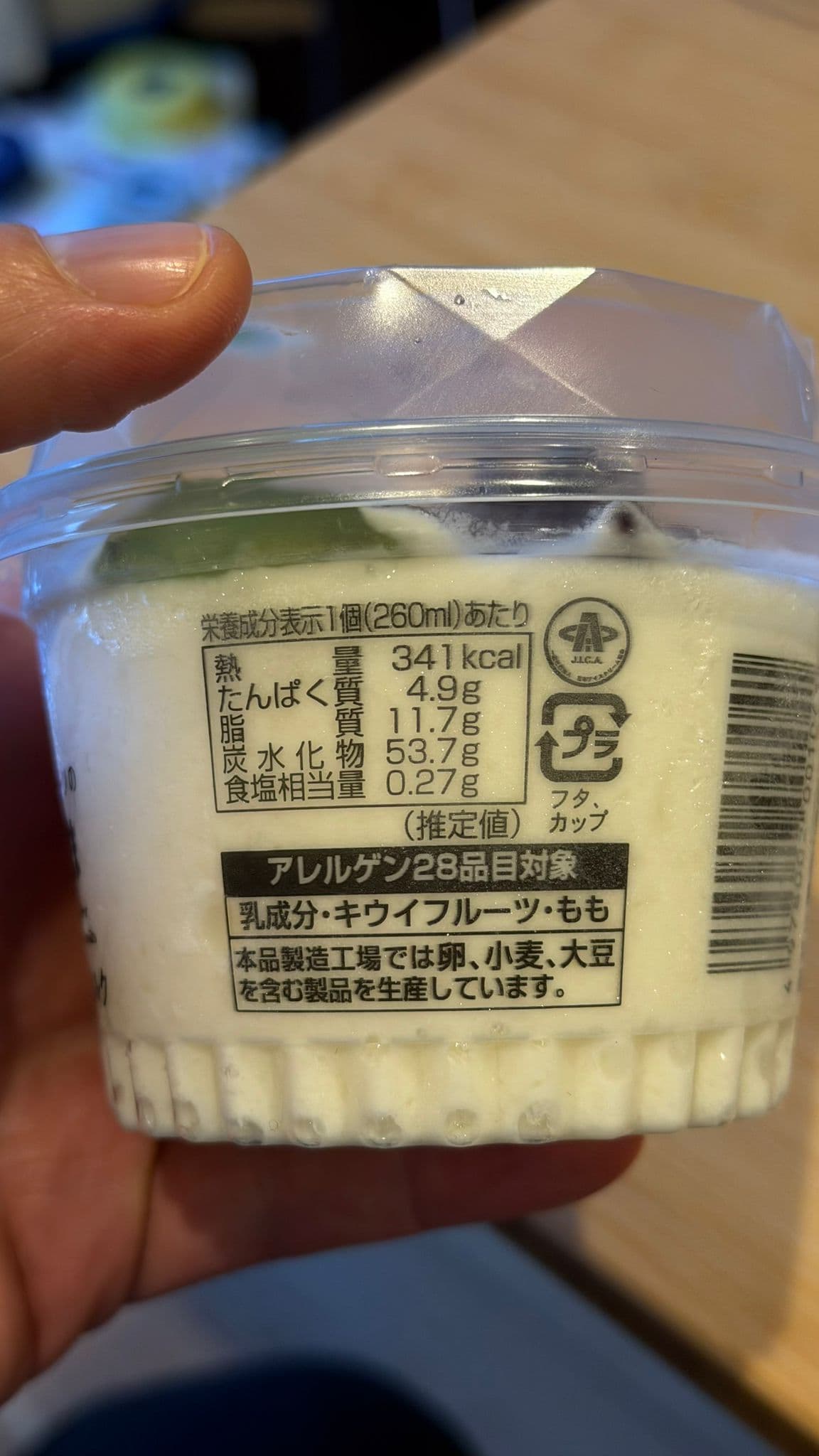
A sentence such as 本品製造工場では、えび、かにを含む製品を生産しています ("this factory also makes products containing shrimp and crab") is a voluntary warning: the Consumer Affairs Agency recommends it when cross-contact can't be ruled out, but doesn't require it, and it bans vague "may contain" wording such as 入っているかもしれません (CAA Q&A, G-3 and H-1; Nagoya City). A pack without a factory warning is not proof that its line never handles shrimp.
Seafood has two more warnings of its own, and both are on labels tested by Okaasan:
- Bycatch: shrimp and crab get caught with small fish. The Calbee shrimp snack prints 本品で使用しているえびは、かにが混ざる漁法で採取しています, "the shrimp in this product is caught by a fishing method that also brings in crab".
- Fish that eat shrimp: the Nissui cheese kamaboko prints この商品に使用している原料には、えびを食べている魚を含みます, "the ingredients include fish that eat shrimp".
The Consumer Affairs Agency gives both as model warnings, with a third for clams, which can hold tiny pea crabs: 本製品で使用しているアサリなどの二枚貝には、かにが共生しています (CAA handbook, page 27; Food Safety Commission).
Factory warnings on the tested labels: the ramen soup sachet (卵、乳成分、えび、かに、落花生), JA leaf-garlic gyoza (えび・かに・乳成分・卵), the Calbee snack (卵・かに, shared equipment) and the Rikyu beef tongue (卵・乳・えび・かに・落花生).
Seafood: unclear. 本品製造ライン (this production line) also makes products with えび (shrimp) and かに (crab).
The guide to 無添加 and same-factory labels covers factory warnings for every allergen.
Do restaurants in Japan have to show allergens?
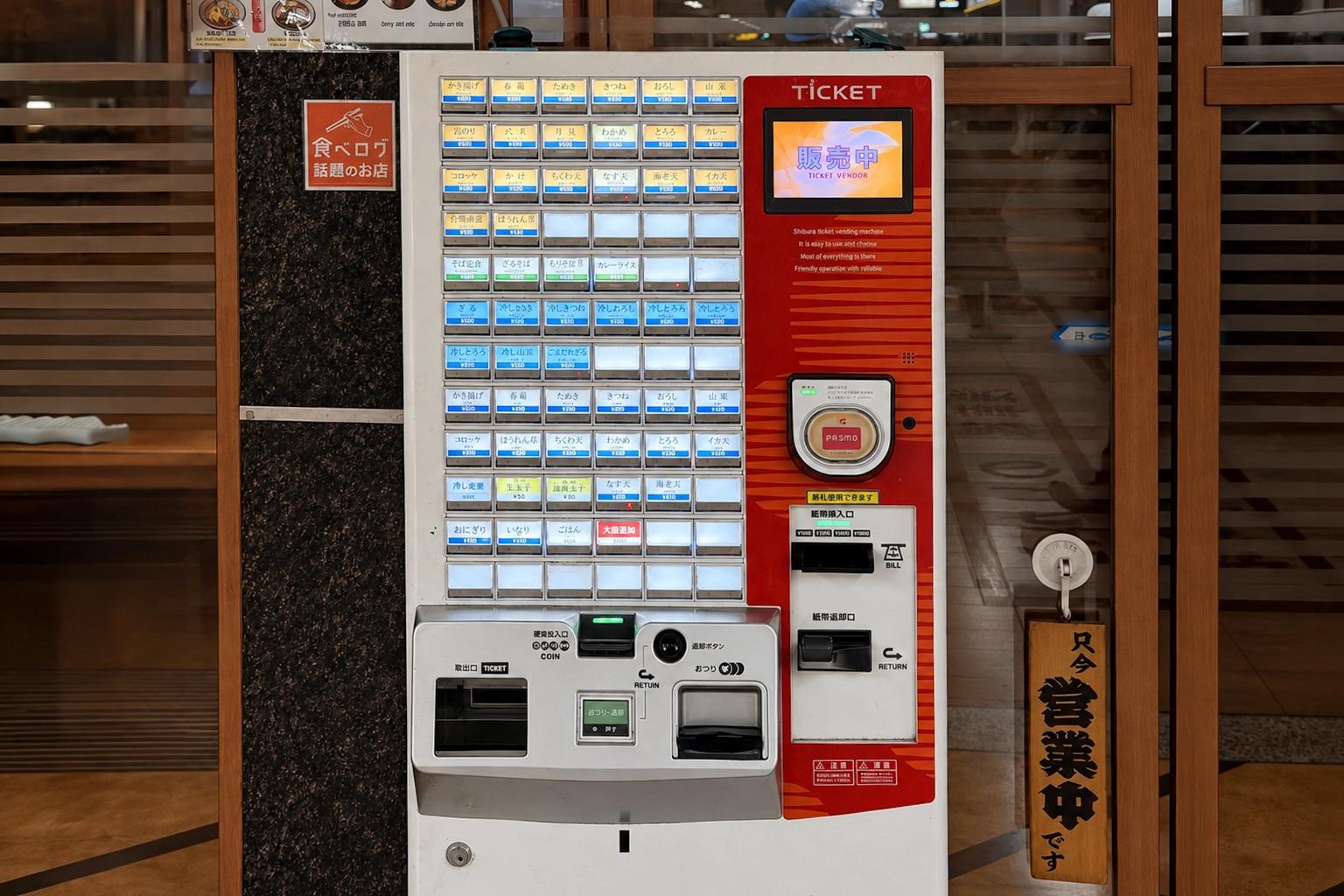
No. Japan's allergen labeling covers packaged food; restaurants, delivery, food counters and food sold loose or by weight have no obligation to give allergen information, and the Consumer Affairs Agency only encourages them to (CAA Q&A, I-7; Nagoya City). In a restaurant, ask, and for a serious allergy, show it in writing.
| Say | Japanese | Meaning |
|---|---|---|
| Sakana arerugī ga arimasu. | 魚アレルギーがあります。 | I have a fish allergy. |
| Ebi to kani no arerugī ga arimasu. | えびとかにのアレルギーがあります。 | I'm allergic to shrimp and crab. |
| Kai no arerugī ga arimasu. | 貝のアレルギーがあります。 | I'm allergic to shellfish such as clams, oysters and scallops. |
| Dashi ni katsuobushi ya niboshi wa haitte imasu ka? | だしにかつお節や煮干しは入っていますか? | Is there bonito or dried sardine in the stock? |
| Ebi to onaji abura de agete imasu ka? | えびと同じ油で揚げていますか? | Is it fried in the same oil as shrimp? |
| Sukoshi demo taberaremasen. | 少しでも食べられません。 | I can't eat even a little. |
Many dishes hold fish or shellfish that their name doesn't show:
| Japanese | Reading | Dish | Where the seafood is |
|---|---|---|---|
| 味噌汁 | miso shiru | Miso soup | The dashi, usually bonito or dried sardines |
| 茶碗蒸し | chawanmushi | Savoury egg custard | The dashi, and often shrimp inside |
| お浸し | ohitashi | Blanched greens | The dashi, often bonito flakes on top |
| 冷奴 | hiyayakko | Chilled tofu | Often bonito flakes on top |
| うどん, そば | udon, soba | Noodles in broth | The broth, つゆ (tsuyu), usually bonito dashi |
| お好み焼き, たこ焼き | okonomiyaki, takoyaki | Savoury pancake, octopus balls | Bonito flakes on top; okonomiyaki may hold shrimp or squid |
| かき揚げ | kakiage | Mixed tempura fritter | Often small shrimp |
| 天ぷら | tempura | Battered and fried food | Vegetables are often fried in the same oil as shrimp |
The izakaya menu guide reads a whole menu for hidden dashi, and the food allergy travel guide covers emergency numbers and words.
FAQ
Do Japanese food labels have to list fish?
Not as a group. Only shrimp (えび) and crab (かに) must be declared; salmon (さけ), mackerel (さば), salmon roe (いくら), squid (いか) and abalone (あわび) are recommended. Any other fish, such as bonito or tuna, shows only in the ingredient list, under its own name, as of November 2026.
Does dashi contain fish?
Usually. Most dashi is made from bonito flakes (かつお節), dried sardines (煮干し or いりこ) or both; kelp (昆布) and shiitake dashi contain no fish. A label or a menu that says only だし doesn't tell you which.
Does soy sauce contain fish?
Plain soy sauce (醤油, shōyu) doesn't: the Wadakan koikuchi soy sauce tested by Okaasan lists soybeans, wheat and salt, with alcohol and seasoning. Products with だし or つゆ in their name, such as だし醤油 (dashi soy sauce) or めんつゆ (noodle sauce), are made with stock, which is usually fish.
What does (魚介類) after an ingredient mean?
It means the ingredient, such as 魚醤(魚介類) (fish sauce) or 魚介エキス(魚介類) (seafood extract), comes from a mixed catch whose species aren't known. The label may write it instead of "contains shrimp" or "contains crab", so shrimp or crab may be in it.
Is krill or mantis shrimp labeled as shrimp in Japan?
No. Mantis shrimp (しゃこ), krill (おきあみ) and mysid shrimp (あみ) are outside the legal meaning of えび, so they are not declared as shrimp. Their own names may still be in the ingredient list.
Do restaurants in Japan have to list allergens?
No. Allergen labeling is required only on packaged food. Restaurants, food counters and food sold loose have no obligation, so ask the staff, and show a serious allergy in writing.
Read the whole ingredient list
To see every fish and shellfish word on a Japanese label, including the ones its allergen line leaves out, scan the label with Okaasan. Add fish or shellfish to your allergy profile: Okaasan checks the ingredient list as well as the allergen box, and shows a factory warning apart. Okaasan is paid only, from $9 a month, or $14 once for a 31-day Traveler Pass. For a serious allergy, the maker or the staff have the last word.